Sale!

Class A General Engineering | CA Contractor Exam Prep
Master the Class A Engineering Exam

Take control of your future. Built by licensed contractors and construction professionals, our streamlined, self-paced home-study system cuts through the fluff. Engineered for heavy civil construction veterans, it gives you the exact tools to master the official exam and secure a passing score.

Flexible Study: Online study guides, video/audio modules, flashcards, practice questions and simulated final exams, designed to fit your busy schedule.

Targeted Material: Optimized content focused entirely on first-time passing success.

Our Motto: “Follow The Plan & Pass Your Exam!”

Original price was: $249.00.Current price is: $199.00.

-

STATE REQUIREMENT: First-time applicants must pass both the Class A Engineering Trade and Law & Business exams

Beat The State Backlog: Application processing takes time. Use that dead time to your advantage. Study while your application is being processed, and take your exam the moment you are approved. Become Exam ready in 8–12 weeks. (Option 2 covers both tests).

Review CSLB Experience Requirements →
Take a Free Class A General Engineering Practice Test

Are you ready to take on the California Contractors State License Board (CSLB)?

See exactly how the state phrases and formats questions before you step foot into the PSI exam center.

  • Quick 20-Question Preview: Tests a random sample of heavy equipment field operations, structural concrete principles, and strict Cal/OSHA regulations.
  • Instant Diagnostic: Get a quick snapshot of the question style to benchmark your starting point.

⚠️Important: Keep in mind that this short warm-up is just a preview, not a final baseline score. The actual state exam uses hundreds of rotating, highly technical questions. Passing here does not guarantee a state license—but struggling reveals critical blind spots. For total exam-day readiness, you need the full study course.

California Class A General Engineering Contractor Diagnostic Quiz

Time Limit: 35 Minutes (Simulating official CSLB exam pacing)

To get the most accurate baseline of your current knowledge, please follow these guidelines:

  • Closed-Book Conditions: Answer all 20 questions without the use of study guides, code books, or outside references.

  • Realistic Exam Interface: This quiz displays one question at a time to mirror the official PSI testing terminal.

  • Free Navigation: You can freely move backward and forward using the Back and Next buttons, or leave questions blank to review them before final submission.

  • Scoring & Explanations: Your final score and correct answers will be revealed immediately after you click Submit Exam.

⚠️ Before You Begin: Once you start the timer, do not refresh your browser or navigate away from this page, or your progress may be lost.


Click NEXT to Begin Your Quiz.

1. 
When computing earthwork quantities from a civil grading profile, which calculation method is chosen specifically to minimize volumetric overestimation errors when cross-sectional areas between adjacent stations change rapidly?

2. 
According to Cal/OSHA Construction Safety Orders, a protective system (such as shoring, shielding, or sloping) becomes universally mandatory when an excavation reaches a minimum depth of:

3. 
Which of the following soil classifications exhibits the highest cohesive properties and provides the greatest resistance to structural sloughing when a vertical trench is cut?

4. 
What is the primary function of placing a concrete mass block at a sharp horizontal change in direction along a high-pressure water main?

5. 
A civil grading plan shows a proposed structural concrete pad with a finished surface elevation of 124.50 feet. The blueprint details state that the structural section requires 4 inches of reinforced concrete poured over 6 inches of Class 2 aggregate base. What is the target subgrade elevation the excavator must cut to before placing the aggregate base?

6. 
Which field instrument is utilized by quality control inspectors to measure and record the structural surface smoothness and rideability index of a finished Caltrans highway asphalt layer?

7. 
Which type of mechanical compaction equipment relies on concentrated protrusions to knead and bind heavy, cohesive plastic clay soils from the bottom of the lift upward?

8. 
What is the direct consequence of adding an excessive volume of water to a concrete truck mixer on-site prior to pouring a structural slab?

9. 
Under California regulations, any custom-engineered shoring layout designed for a deep excavation exceeding a depth of 20 feet must be reviewed and stamped by which entity?

10. 
On a civil utility plan sheet, the abbreviation "IE" paired with an elevation benchmark indicates the vertical height coordinate of which specific point?

11. 
Which specialized excavation methodology utilizes a single line of tightly spaced perimeter charges fired prior to the main production blast to create a clean fracture plane along a permanent rock hillside?

12. 
Which material is specified as a standard uniform bedding envelope directly beneath flexible underground electrical conduits to prevent point-load punctures from native rocks?

13. 
When bracing heavy vertical formwork panels for a reinforced concrete bridge abutment, which structural component is installed diagonally to resist the outward lateral pressure of the liquid concrete?

14. 
According to the California Manual on Uniform Traffic Control Devices (CA MUTCD), what light illumination mode is required on a mobile electronic board to indicate an upcoming lane merge to drivers?

15. 
What is the primary advantage of utilizing a water-based asphalt emulsion tack coat over a petroleum-solvent cutback asphalt on a paving project?

16. 
Prior to initiating a hydrostatic pressure test on a newly installed water distribution line, why must the contractor ensure all internal air pockets have been fully bled off?

17. 
If a civil construction plan denotes an earthen excavation cut slope with a ratio specification of 2:1, how is this orientation read geometrically?

18. 
Which surveying tool assembly is deployed on an active grading site to check, calculate, and adjust elevation differences relative to a fixed local datum benchmark?

19. 
What structural behavior occurs to a crane’s safe operating workload capacity as its primary boom angle is systematically lowered further toward the horizontal plane?

20. 
What is the primary engineering objective of introducing a heavy timber "mud sill" board directly flat on the ground underneath a vertical scaffolding leg setup?

⚠️ Disclaimer: Thompson Learning Co. is an independent training provider and is not affiliated with, endorsed by, or connected to the California Contractors State License Board (CSLB). This practice quiz is designed solely for self-assessment and study. Your quiz results do not guarantee a passing score on any official state licensing examination.

Master Every Testing Section

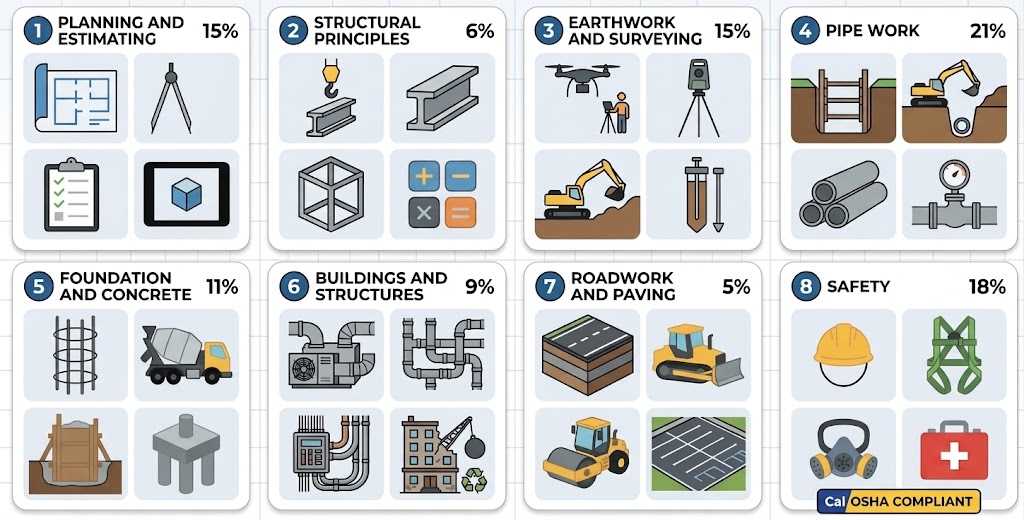
To earn your Class A License and pass the trade portion of your exams, you must prove your comprehensive knowledge across the eight major sections of the official California General Engineering trade examination. Our study portal is strategically built to accurately mirror this exact CSLB testing breakdown, giving you the specific tools and knowledge needed to walk in fully prepared.

THE CALIFORNIA CLASS A GENERAL ENGINEERING CONTRACTOR EXAM BREAKDOWN

Tap below to see the official state exam percentages and topic breakdowns.

The Class A General Engineering Exam Breakdown


Section 1. Planning and Estimating (15%)

  • Reviewing plans and specifications
  • Code compliance
  • Evaluating job sites
  • Coordinating projects with other trades
  • Estimating costs for materials, equipment, and labor
What it Covers: This section focuses on your ability to accurately interpret civil engineering blueprints, verify structural code compliance, and perform precise quantity takeoffs for large-scale infrastructure bids.

Section 2. Structural Principles (6%)

  • Constructing structures
  • Seismic requirements
  • Basic engineering
What it Covers: Though small, this section is highly technical. It tests the essential engineering formulas every contractor should know, structural and seismic code requirements, and basic engineering design calculations to ensure structural stability.

Section 3. Earthwork and Surveying (15%)

  • Surveying job sites
  • Preparing job sites
  • Assessing soil conditions
  • Assessing soil compaction and expansion
What it Covers: Heavy civil work starts in the dirt. You will be evaluated on your knowledge of grade staking, site layout surveying, soil expansion/compaction ratios, and calculating exact cut-and-fill volumes.

Section 4. Subsurface, Surface, and Elevated Piping Work (21%)

  • Shoring and sloping excavations
  • Preventing erosion
  • Tunneling, drilling, and boring
  • Installing pipelines
  • Connecting and testing systems
  • Connecting dry utilities
What it Covers: Making up more than a fifth of the exam, this is the heaviest section on the test. It challenges you on underground utility installation, deep-trench shoring configurations, system pressure tests, and directional boring methods.

Section 5. Foundation and Concrete Construction (11%)

  • Constructing forms and falsework
  • Placing and finishing concrete
  • Installing pilings and foundations
What it Covers: This section evaluates your practical knowledge of structural concrete execution. The exam covers general formwork requirements, structural rebar reinforcement layouts, proper concrete pour/placement rates, and deep foundation piling installations.

Section 6. Buildings, Structures, and Related Work (9%)

  • Installing mechanical systems
  • Installing plumbing pipes
  • Installing electrical systems
  • Demolition, disposal, and recycling
What it Covers: This portion evaluates your oversight of core utility systems built into major engineering structures, scaffolding safety and setup, alongside proper demolition protocols and green disposal/recycling tracking.

Section 7. Roadwork and Paving (5%)

  • Base for highways, roads, and parking lots
What it Covers: The precise engineering specs required for major transportation networks, including aggregate base materials, compaction standards, and paving tolerances for public roads and runways.

Section 8. Safety (18%)

  • Personnel and job site safety
  • Personal protective equipment (PPE)
  • Hazardous material safety
What it Covers: As the second-heaviest section, the state aggressively tests your compliance with Cal/OSHA standards regarding trenching hazards, heavy machinery operation, traffic control zones, and managing hazardous waste site clearings.

* Percentages are approximate and directly reflect the official CSLB exam blueprint.
Engineered for Total Exam Readiness

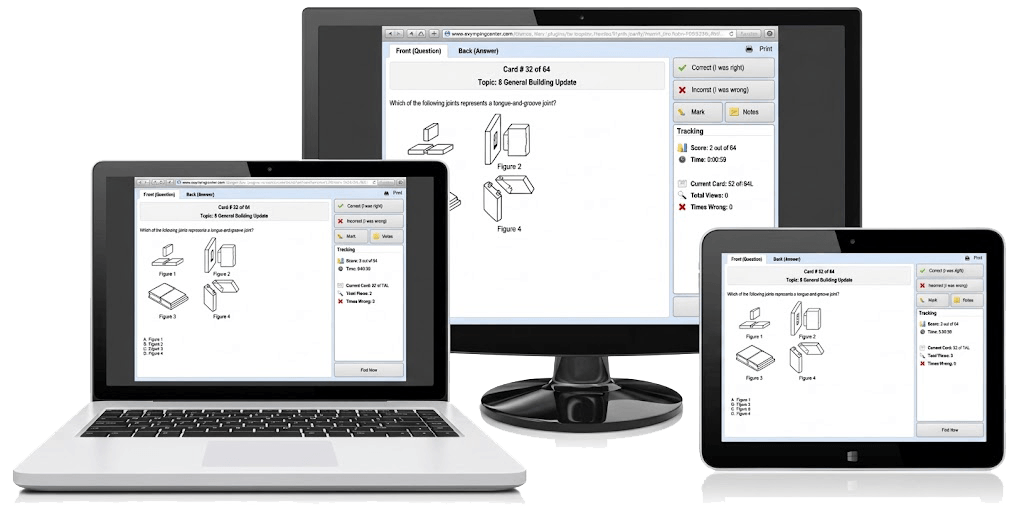
When failure is not an option, skip the guesswork. Every failed attempt costs you new PSI fees and triggers a 21-day state lockout that burns through your 18-month application window. Protect your investment—prepare thoroughly with 365 days of unlimited, 24/7 access to our study portal.

TLC interactive CA contractor license exam prep platform displayed on a laptop, tablet, and desktop monitor showing online practice tests and progress tracking.
Fit your prep around your active workload. Lock in the knowledge with comprehensive study guides, audio/video modules, interactive flashcards, and full-length practice exams, from any device with internet access

What’s Included in Your One Year Subscription

Equip yourself with everything you need to pass the CSLB trade exam. Your California Class A General Engineering Trade Course subscription is valid for a full 365 Days (with extensions available) and comes packed with these essential study tools:

Your Course Dashboard at a Glance

📘

Trade eManuals
Core Trade Sections & Code Summaries
Full Study Guide

🎥

Video & Audio
Math, Trade Knowledge, & Safety
3+ Hours

📝

Practice Tests
Realistic CSLB Exam Simulators
9 Full Exams

Study Tools
Flashcards & Non-Graded Quizzes
Unlimited Use

📘 Comprehensive Trade Study Online Manual

  • Deep-Dive Trade Core: Master major exam topics including Excavation, Grading, Paving, Concrete, Subsurface Piping, and Structural Principles.
  • Code Summaries: Clean, easy-to-read breakdowns of the California Building Code and the California Electrical Code.
  • Safety Regulations: A dedicated, comprehensive section detailing state Health and Safety Orders.

🎥 Targeted Audio & Video Lectures

Over 3 hours of expert classroom instruction:

  • General Trade Knowledge (115 Minutes): A deep dive into core heavy construction and earthwork topics.
  • Math Review (35 Minutes): Breaks down the essential formulas needed for the exam.
  • Health and Safety (59 Minutes): Covers crucial Cal/OSHA and job-site compliance details.

📝 Extensive Interactive Practice Exams

Hosted inside our interactive testing portal, our dynamic test bank builds your endurance with hundreds of realistic, exam-style questions. You get unlimited access to:

  • 7 General Engineering Tests (120 questions each)
  • 2 Health & Safety Tests (115 and 95 questions)
  • Exclusive “Update” Exams featuring the newest questions circulating the CSLB.

⚡ Three Flexible Online Testing Modes:

Tailor your study sessions to your personal learning style using our interactive testing tools: READING/WATCHING/LISTENING/DOING

  • Virtual Flashcards: Perfect for rapid-fire recall of definitions, codes, and safety signals.
  • Non-Graded Quizzes: Ideal for relaxed, stress-free learning and reviewing question structures.
  • Timed Exam Simulations: Mimics the high-pressure environment of the real CSLB testing facility.

💡 Pro-Tip for Success

Our practice materials include detailed, step-by-step explanations for every single answer. We focus on teaching you the core construction principles behind the data, ensuring you are fully prepared to select the right answer even if the state words their actual exam questions differently on test day!

Step 1: Customize Your Learning Experience

Your training starts with our comprehensive 100% Online Course. Tailor your experience by adding physical upgrades at checkout:

Included
Complete Digital Access

Full Online course: 1 year 24/7 access to the eManual, 3+ hours of audio/video lectures, and the complete interactive testing center.

Optional Upgrade
Printed Manual (+$60)

What You Get: A premium, physical printed copy of our comprehensive trade manual shipped straight to your door.

Best For: Contractors who prefer a physical book to flag, highlight, and review away from screens.

A mandatory Addition to our course
Excavation & Grading Handbook (+$65)If you dont already own it you need to buy it here!

The Industry Bible: The CSLB heavily references this classic text by Nick Capachi to write the Class A exam. While our course perfectly condenses and teaches this material, this is an essential reference manual for any contractor involved with earth moving and grading.

One-Click Convenience: Skip third-party shipping delays and seamlessly add this definitive field guide to your order with a single click at checkout.

Step 2: Complete Order & Enrollment Process

1. Secure Registration

Secure your spot and lock in your 365 days of unlimited access by completing your order today through our encrypted checkout.

2. Account Setup & Initial Course Access

Once your order is placed, our team immediately processes your enrollment. As soon as your account is fully configured, your unique Activation Key Code will be issued directly to your email inbox.

3. Delayed Activation (365 Days of Access)

We know you’re busy running a business. Your full 1-year subscription does not start until the exact moment you enter your activation code! Buy now, study exactly when you are ready.
Important Course Policies & Access Details

  • Trade Exam Only: This course covers the technical Trade portion of the examination only. Preparation for the mandatory, universal California Law & Business Exam is sold separately (See Law and Business Course Below).
  • Manual Restrictions: The Online Manual is optimized for offline reading on mobile or desktop devices, but it is read-only and cannot be printed.
  • Media Delivery: Audio lectures can be downloaded for on-the-go listening; video lectures are streaming-only.
  • Testing Portal: Online practice exams require an active internet connection and cannot be downloaded for offline use.

Looking To Get Your Very First CA License?

Master the legal blueprints of your business. Learn exactly how California contract laws, payroll taxes, and CSLB rules protect your bottom line.

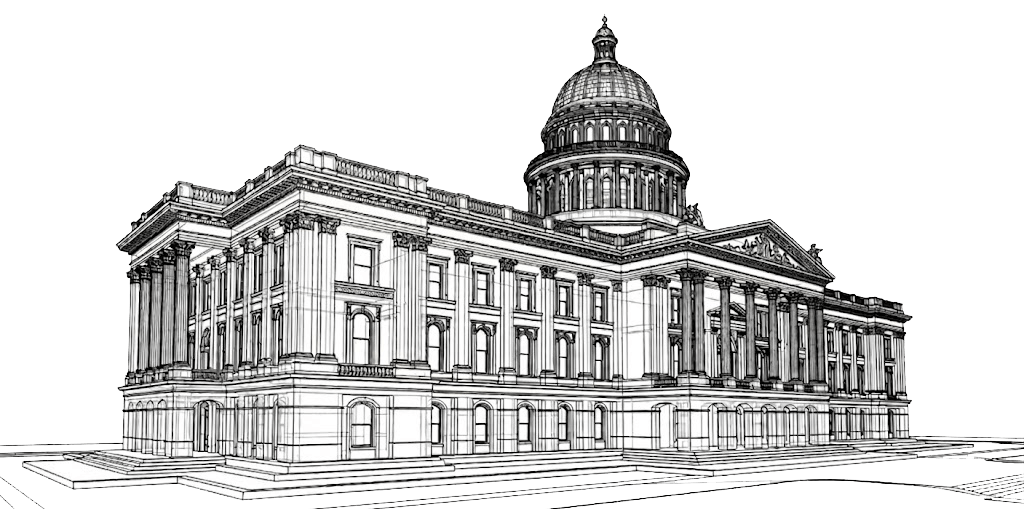
An architectural wireframe blueprint sketch of the California State Capitol building on a black background.

Just a heads up from the field: The CSLB requires all first-time applicants to pass two separate exams: your Class A Trade Exam and the universal Law & Business Exam. If you don’t already hold an active California contractor’s license, be sure to select our Complete License Bundle at checkout to unlock total exam coverage—and lock in your bundle savings today.

Pass Once, Hold Multiple Licenses

You only need to pass the Law & Business exam once in your lifetime. As long as your license remains in good standing with the CSLB, you can continually add multiple trade classifications down the road without ever retaking the Law test.

⚠️ Required For Your Original Contractor’s License

See Our Law & Business Course Breakdown →

Official Testing Resources & Links

CSLB License Examination Information Guide

Click here to download the official CSLB testing blueprint and details.

PSI CSLB Test Takers Info

Click here to review test site rules, scheduling, and facility protocols.

CSLB – FAQs

Click here to read frequently asked questions about the contractor testing process.

Forms and Application

Click here to access state licensing paperwork, fingerprinting forms, and packages.

For Step by Step Instructions, go to our blog

Click here to read our full walk-through on filing your state application without mistakes.

Master the Class A Engineering Exam

Take control of your future. Built by licensed contractors and construction professionals, our streamlined, self-paced home-study system cuts through the fluff. Engineered specifically for heavy civil construction veterans, it gives you the exact tools to dominate the official state exam and secure your passing score.


Flexible Study: Online study guides, video/audio modules, flashcards, practice questions and simulated final exams, designed to fit your busy schedule. Targeted Material: Core Trade reviews, state regulations, essential math, industry vocabulary, and exam insights—optimized for first-time passing success.


Our Motto: “Follow The Plan & Pass Your Exam!”